
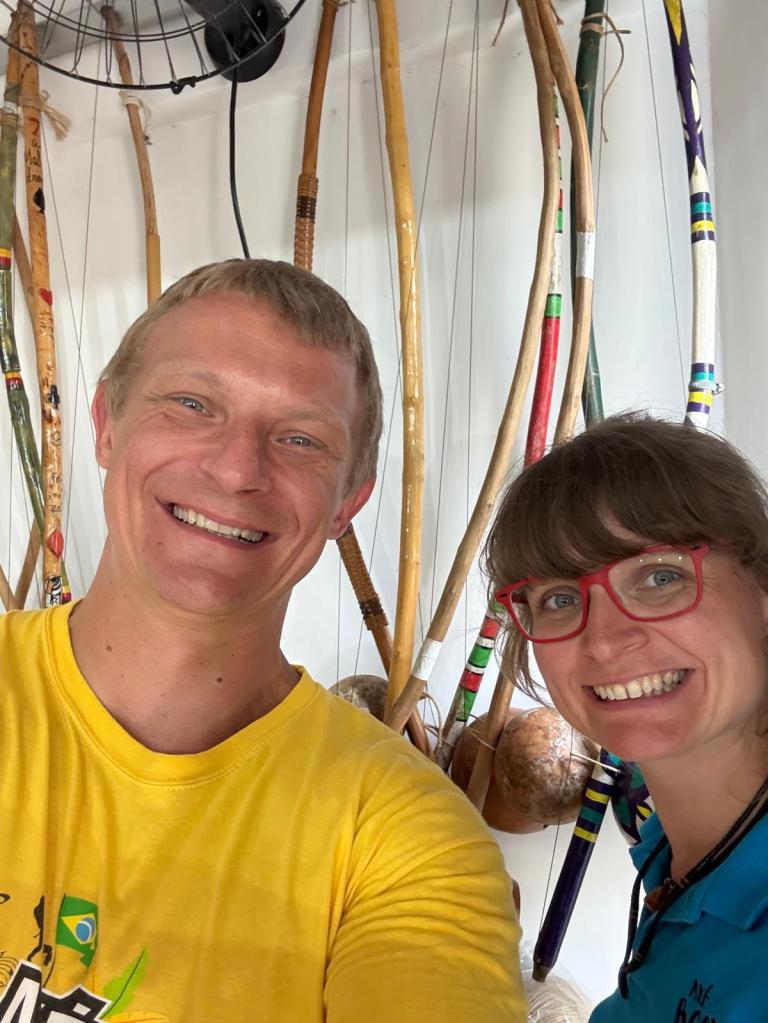
Travelling to Brazil, the birthplace of Capoeira, was an invaluable artistic and professional development experience that not only achieved but exceeded the original aims of this project.
Being immersed in Brazilian culture—living with Brazilian family members and engaging in everyday life—provided a deep understanding of the social, cultural, and historical context from which Capoeira emerged. This immersion was as significant as the physical training itself. It allowed us to experience Capoeira not only as a martial art or performance practice, but as a living cultural system rooted in community, music, language, identity, and resistance.
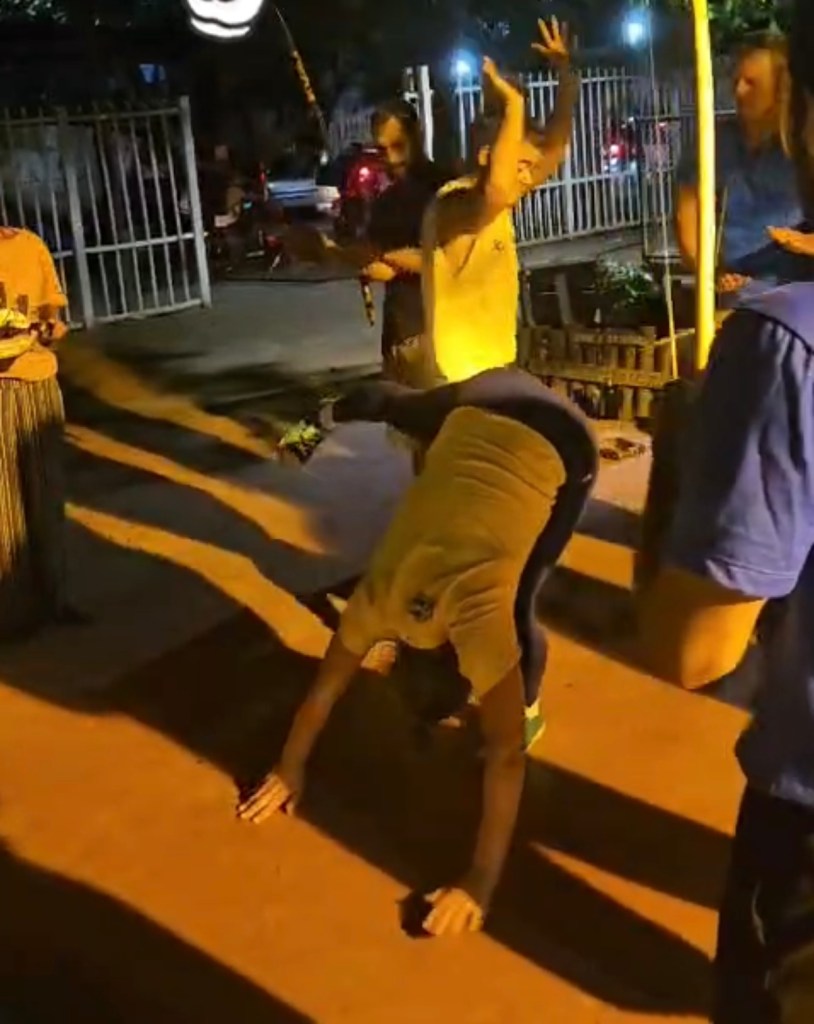
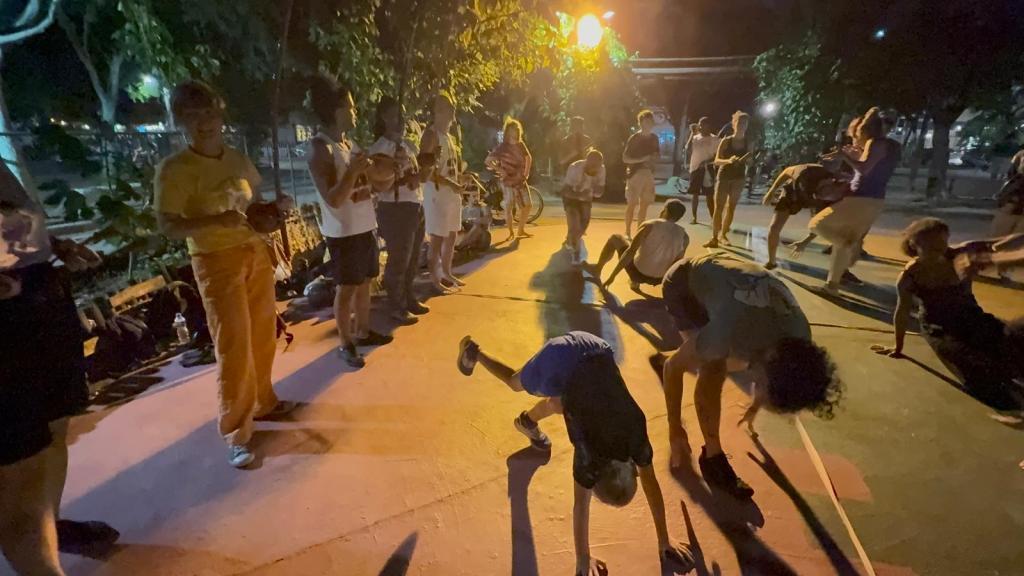
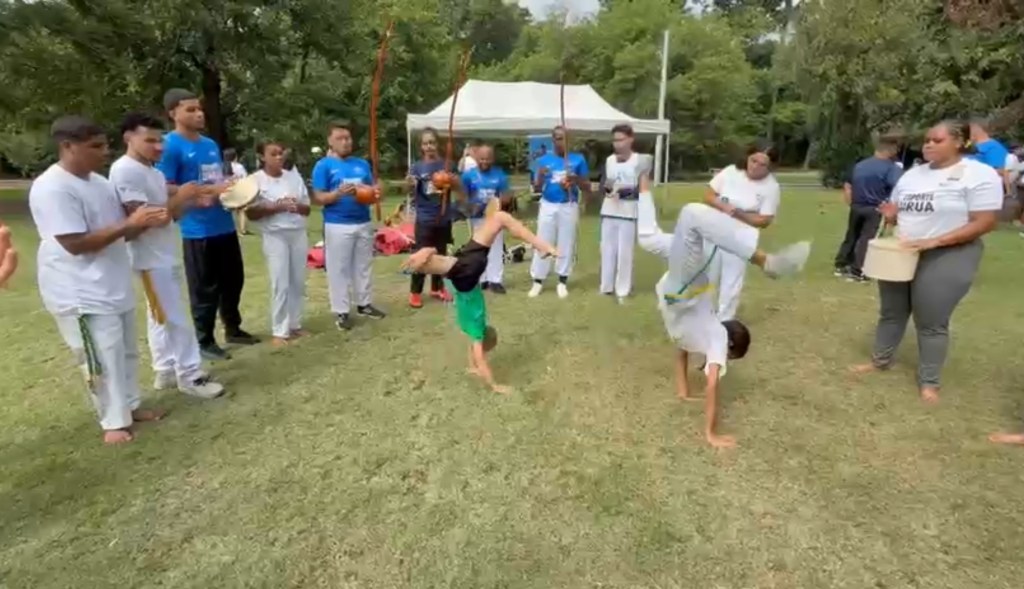
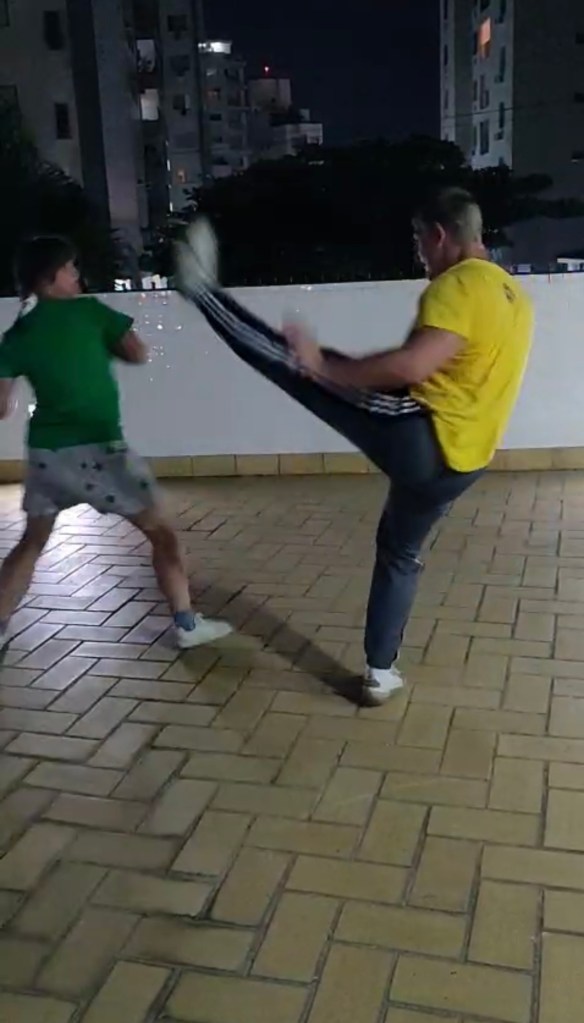
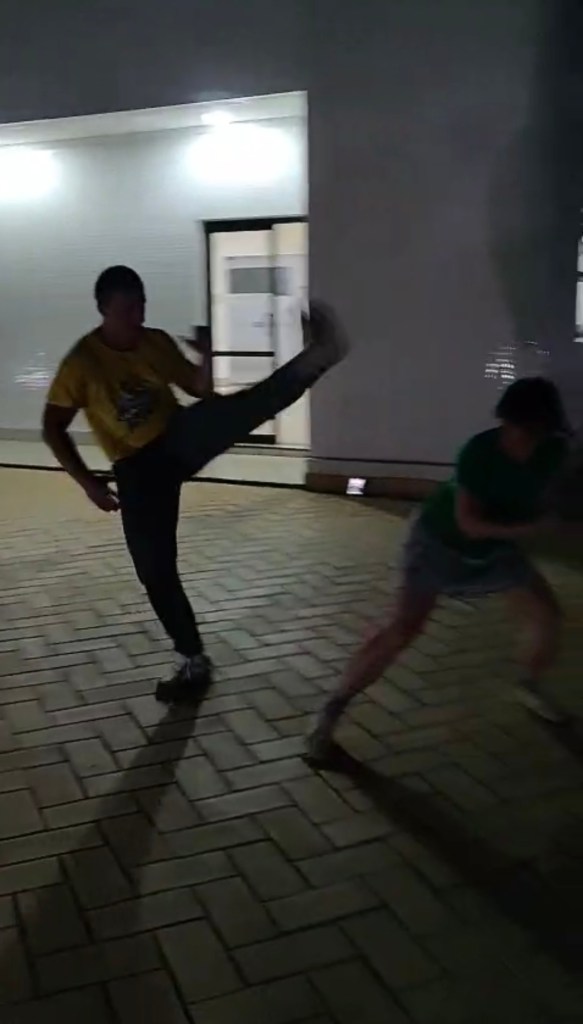
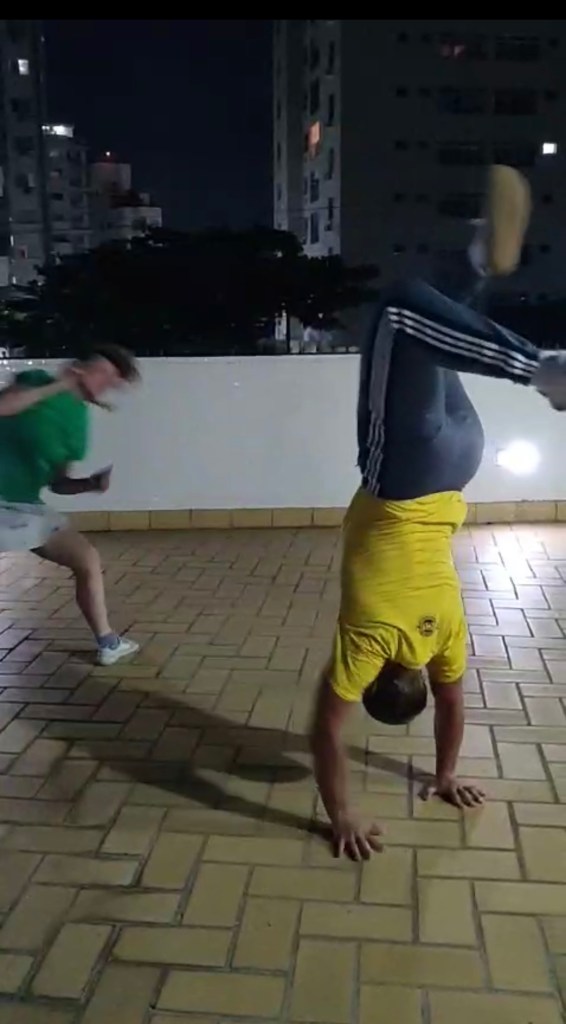
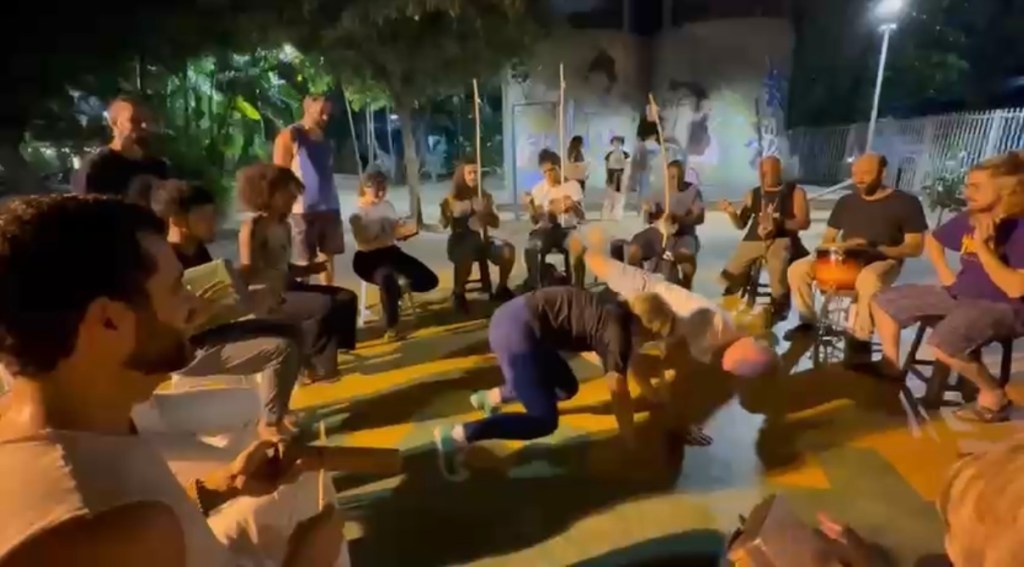
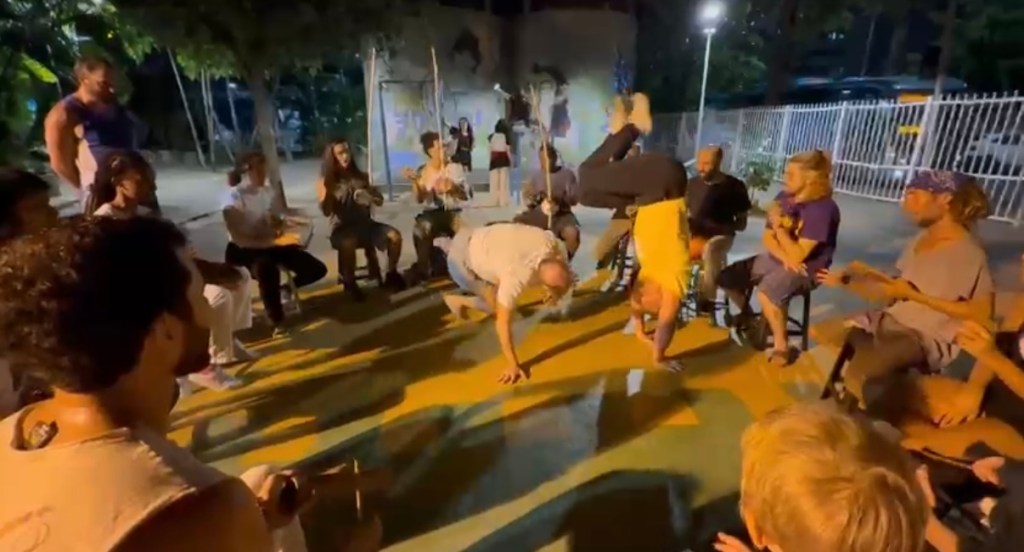
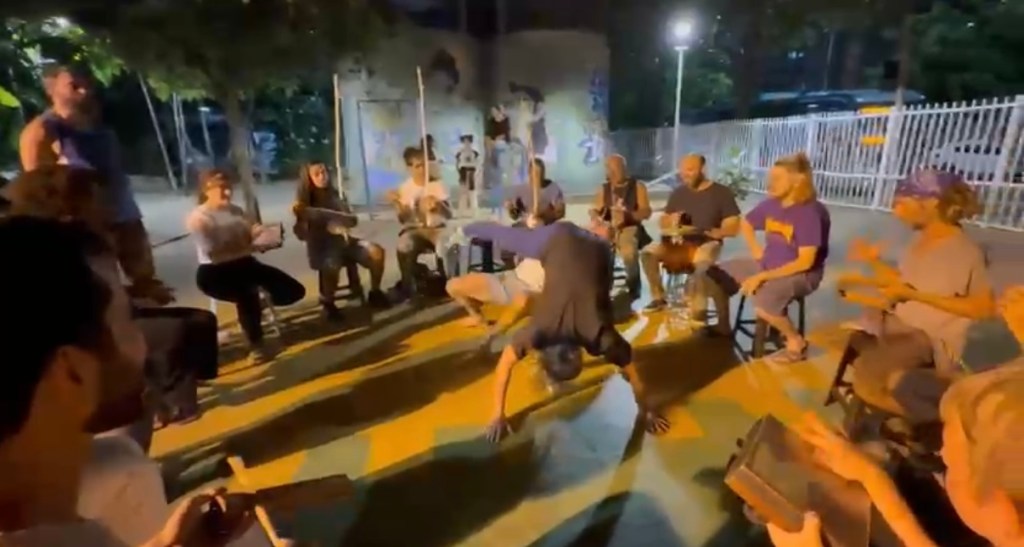
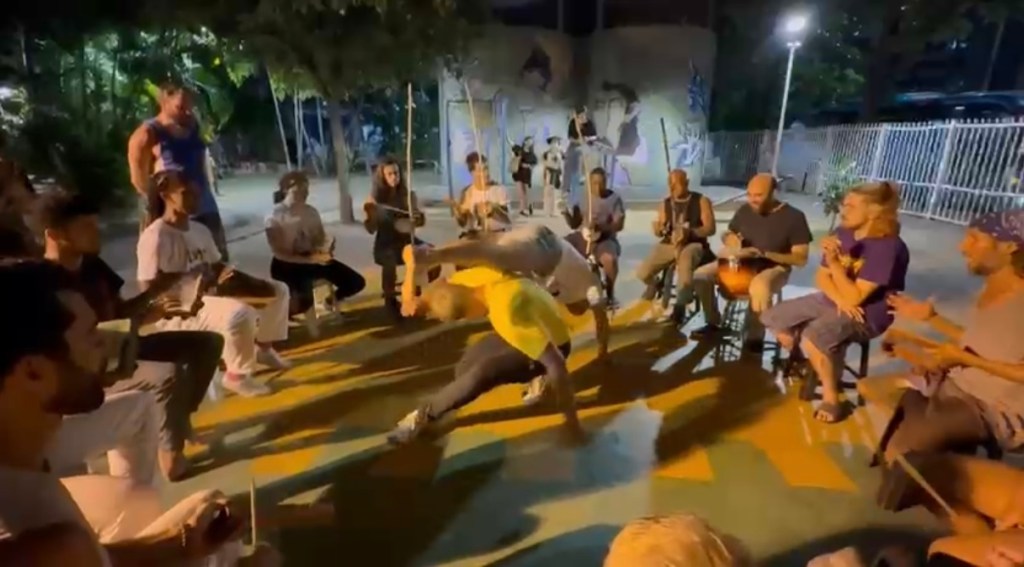
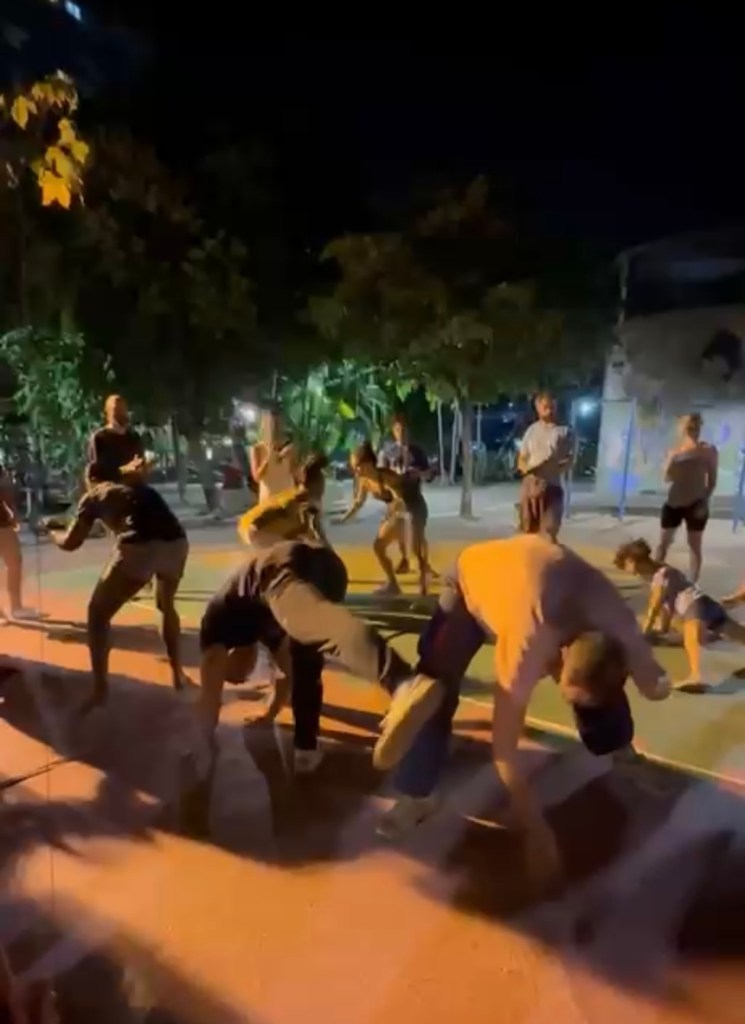
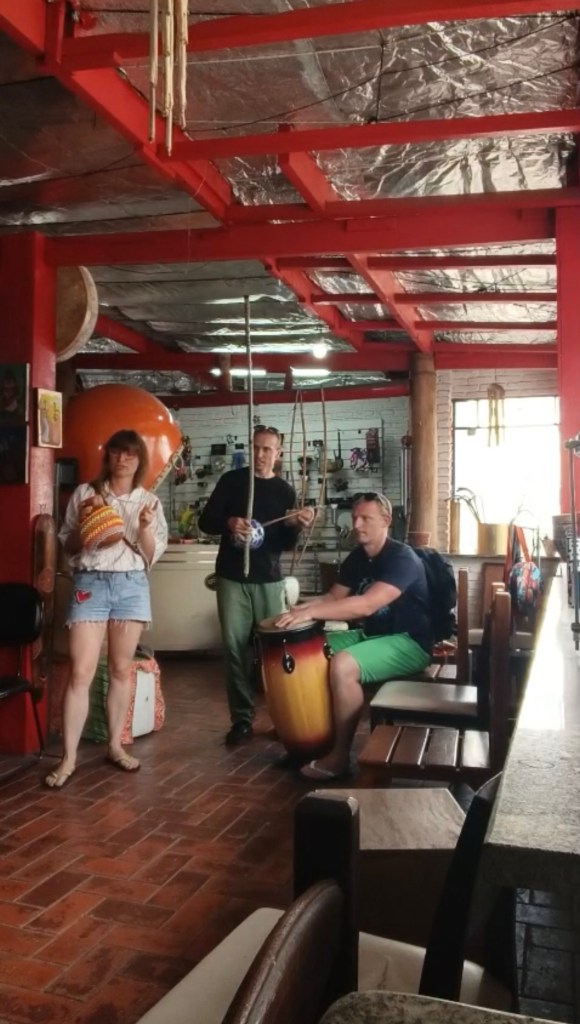
Intensive Training with Brazilian Masters
Throughout the residency, we trained intensively with highly experienced Brazilian masters and practitioners. This included focused development in:
- Movement quality and physical expression
- Musicality and rhythm
- Improvisation within the roda
- Pedagogical approaches to teaching Capoeira
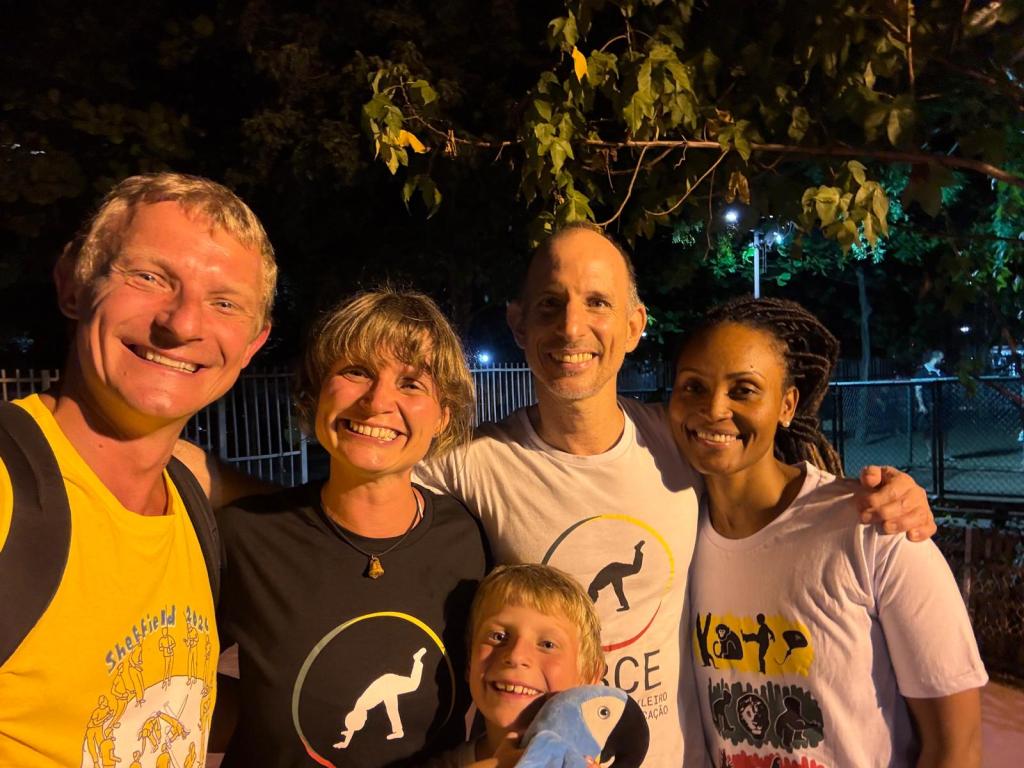
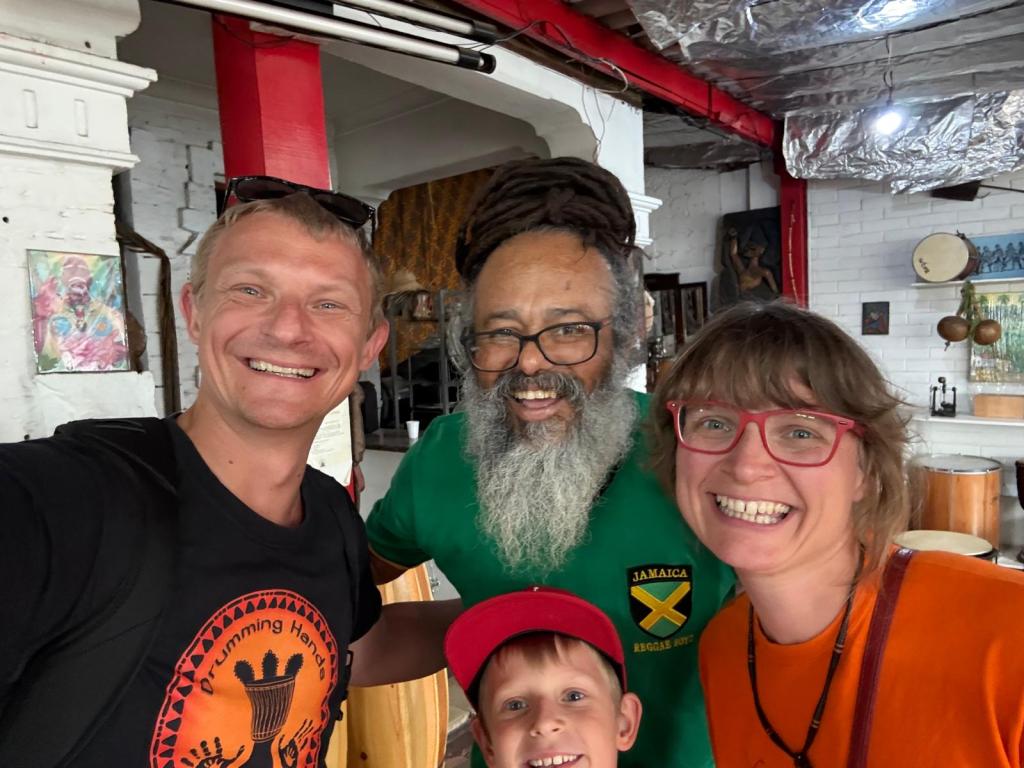
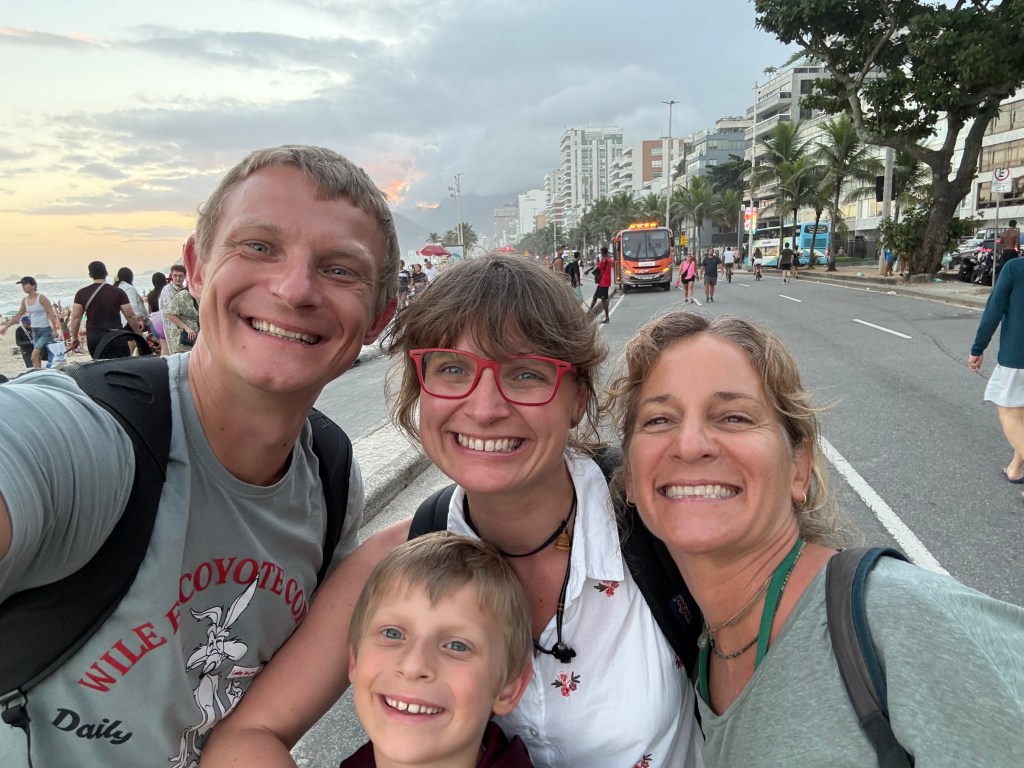
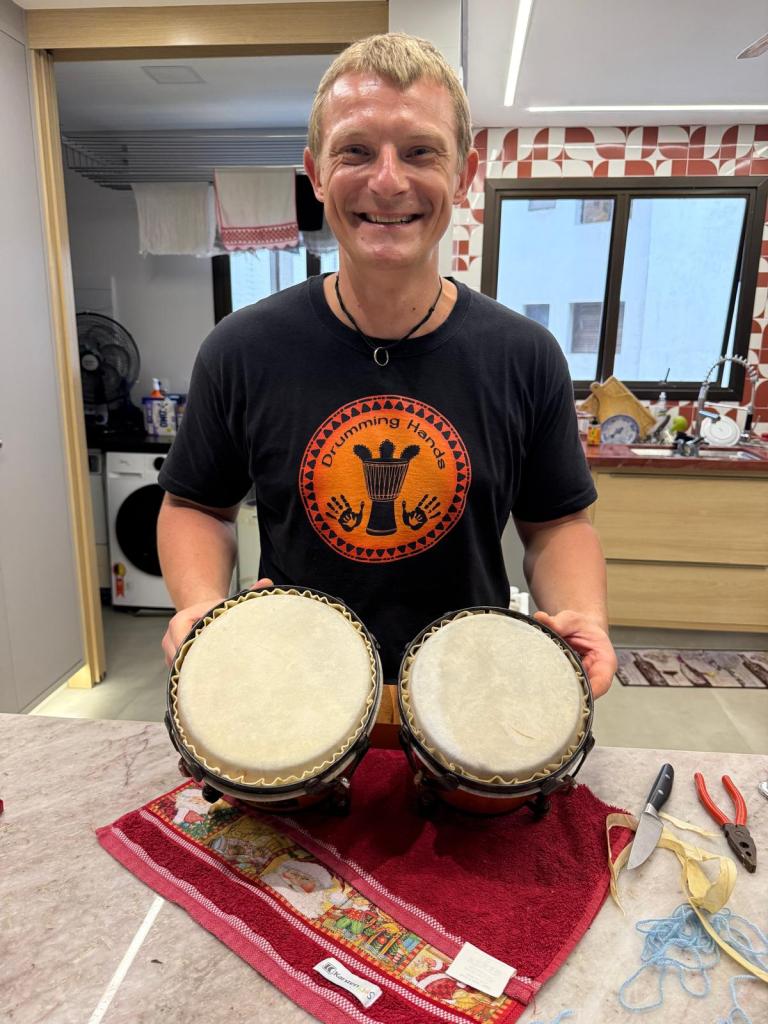
Alongside our Capoeira training, we also explored Samba more deeply through structured classes and independent practice, recognising the strong connection between rhythm, movement, and Capoeira expression. This broader engagement with Brazilian movement culture strengthened our overall artistic vocabulary.
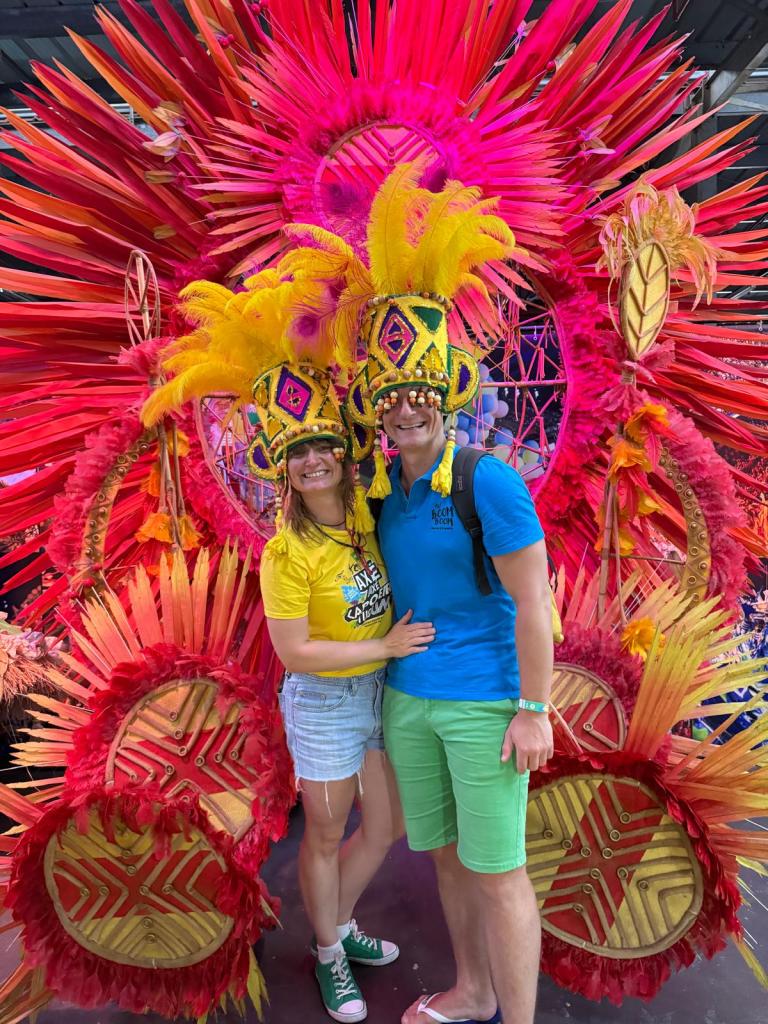
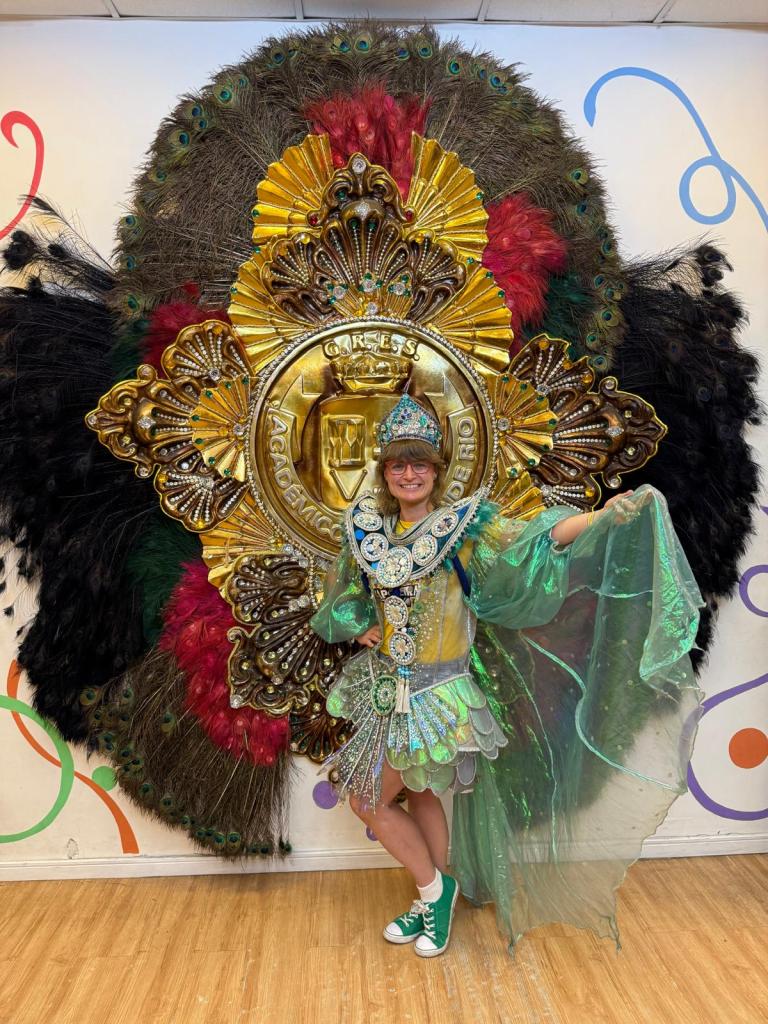
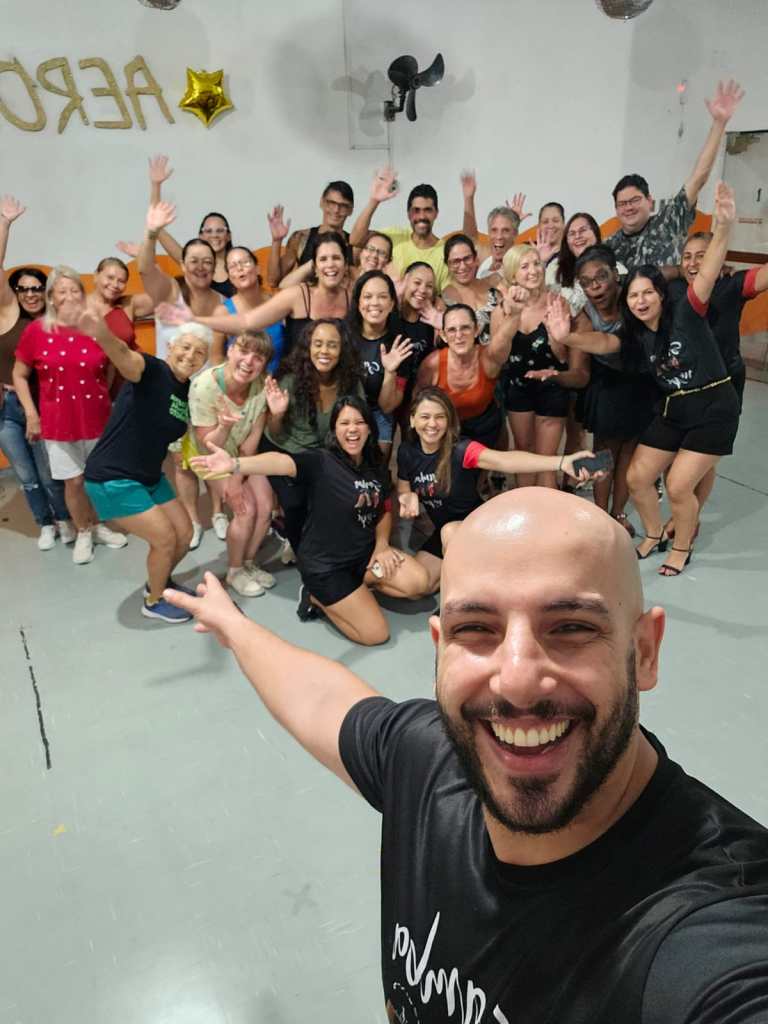
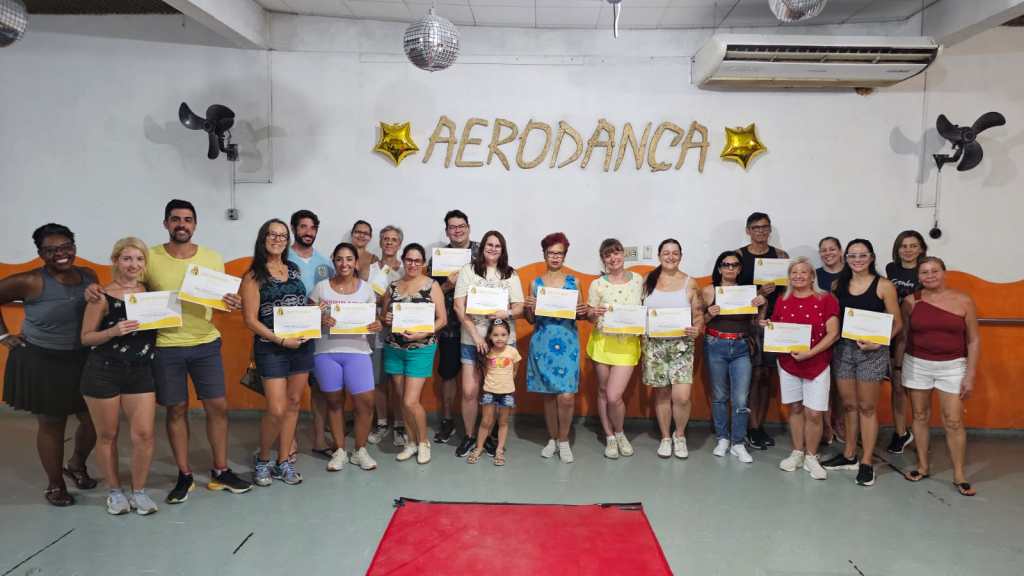
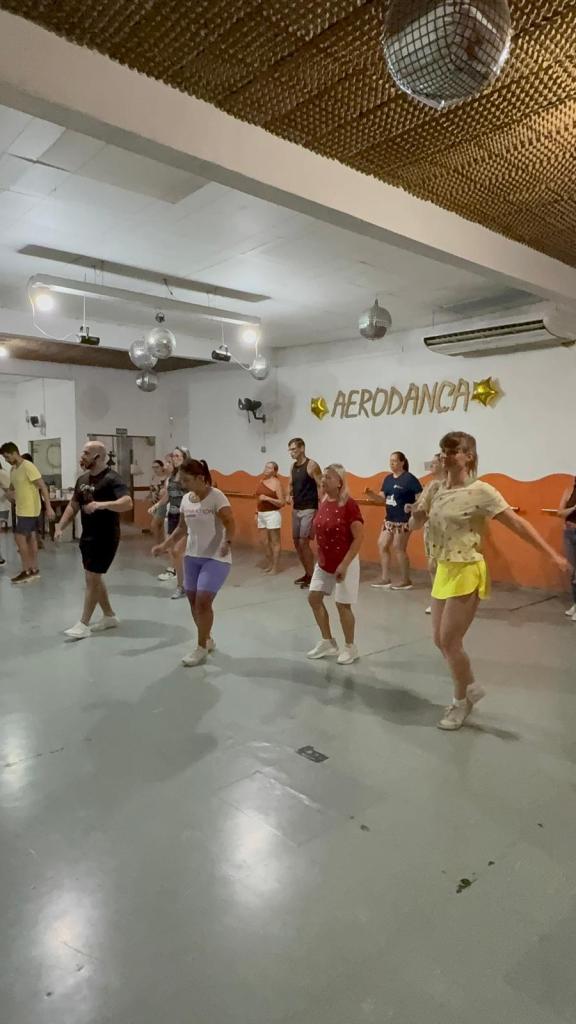
The level of training, creativity, and cultural exchange experienced in Brazil is something that cannot be replicated in Scotland alone. It offered a depth of learning grounded in lived experience, tradition, and community practice.
Language, Culture, and Deeper Understanding
One of the most significant outcomes of the residency was the development of Portuguese language skills. Improving our ability to communicate in Portuguese opened access to a richer understanding of Capoeira philosophy, songs, stories, and cultural meaning.
This has already transformed our approach to teaching and training. It enables us to:
- Engage more authentically with Brazilian teachers and practitioners
- Understand lyrics, narratives, and oral traditions more deeply
- Connect movement practice to cultural and historical context
Community Practice and Future Vision
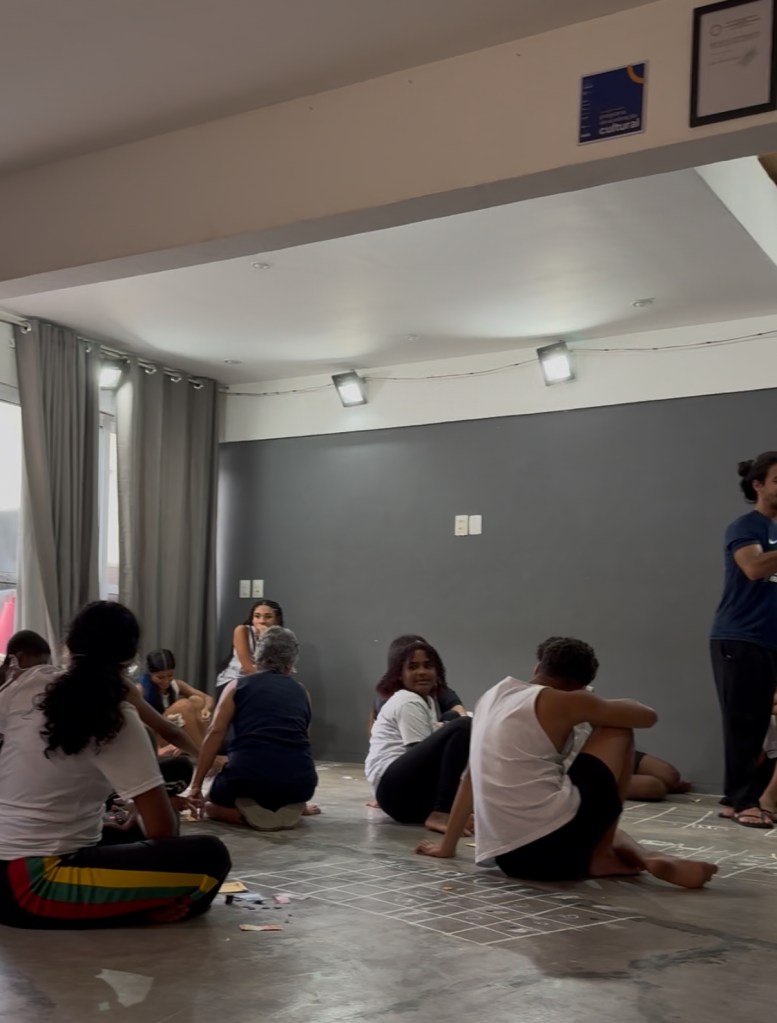
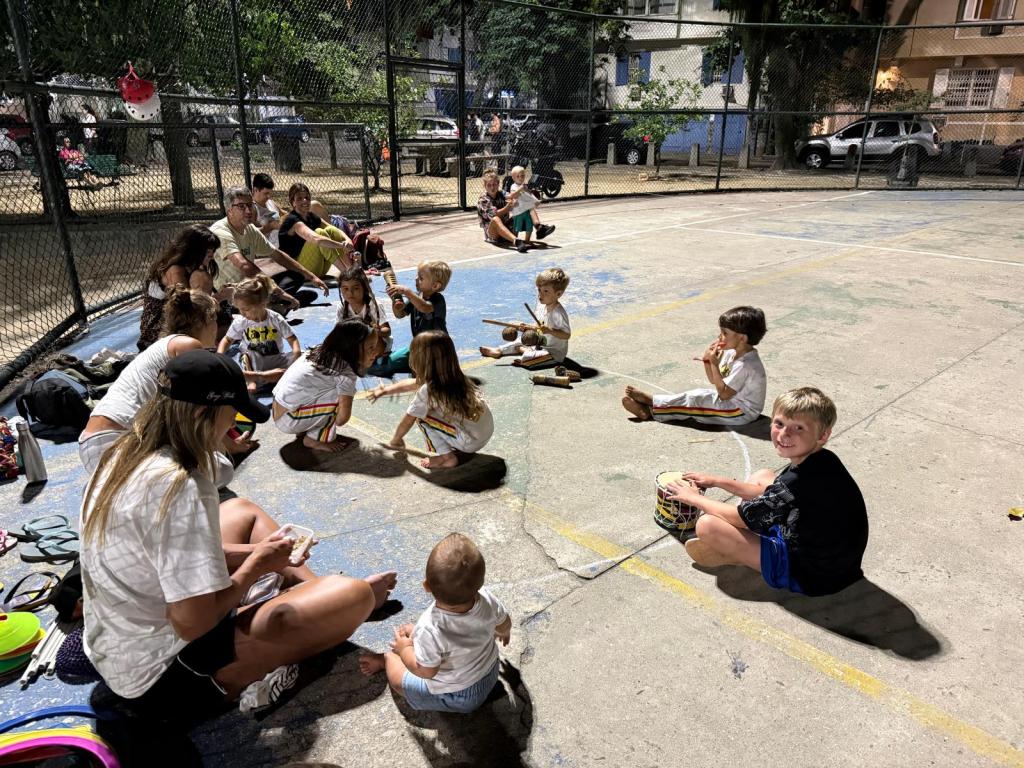
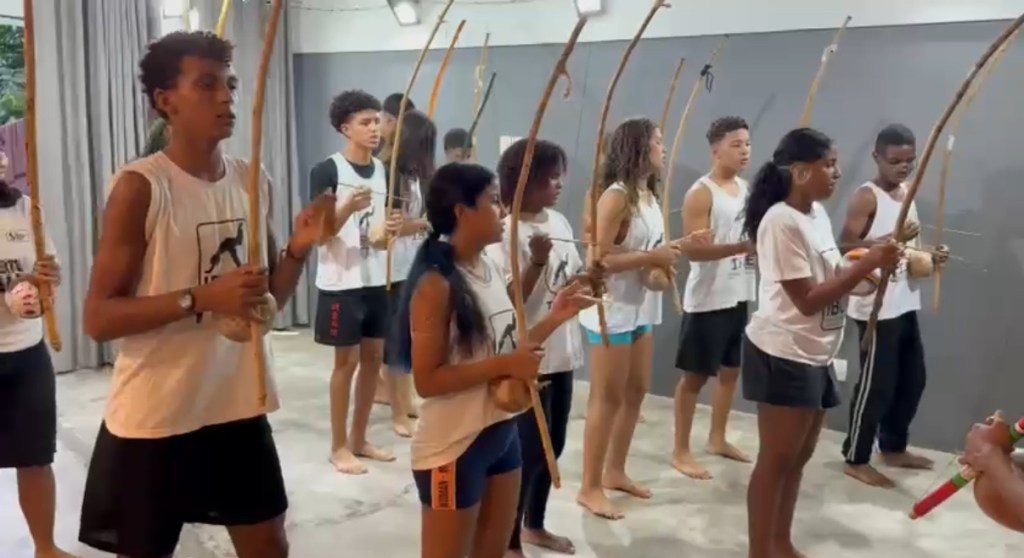
A particularly influential part of the project was engaging with the work of Mestre Ferradura in Rio de Janeiro. His approach to working with teenagers and using Capoeira as a tool for personal development and community engagement had a strong impact on us.
This experience has directly inspired us to further explore how Capoeira can support young people in Scotland, particularly teenagers, and has strengthened our commitment to developing socially engaged practice in this area.
Long-Term Impact on Our Practice
This residency will have a long-term impact on our freelance creative and educational work. The knowledge, confidence, cultural understanding, and teaching methodologies gained in Brazil are already informing our classes, workshops, and artistic projects in Scotland.
We return from this experience with:
- Strengthened technical and teaching skills
- Deeper cultural and historical understanding
- Enhanced Portuguese language ability
- Renewed motivation and creative direction
- A clearer vision for future community impact
Most importantly, this project has reinforced our commitment to developing both our own practice and future generations of Capoeiristas in Scotland through culturally grounded, community-focused teaching.
 axeboomboom.org