
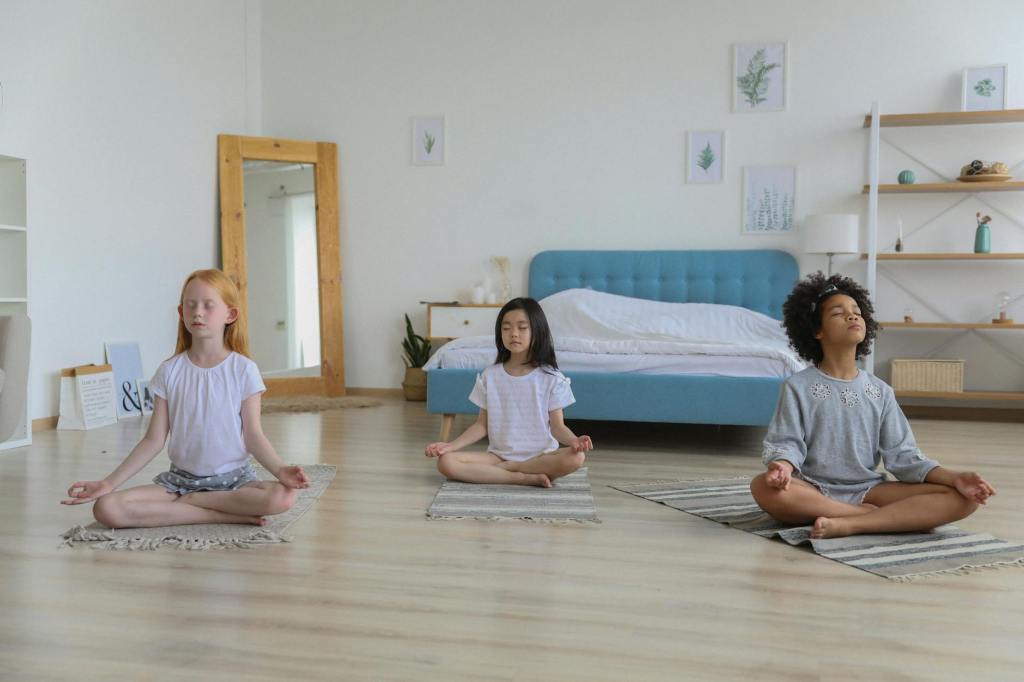
Today we’ll explore Visualisation in Capoeira and Drumming. We’ll look at:
- What is visualisation?
- Can visualisation be used for Capoeira and Drumming?
- How to use visualisation at home to improve capoeira and drumming?
- Summary
What is visualisation?
Imagine doing a cartwheel, now close your eyes and see yourself doing the cartwheel. Visualisation is the use of your imagination to “see” something in your mind that you’d like to achieve in a real life. Visualisation allows you to transform thoughts into reality.

Professional athletes use visualisation to recreate in their mind what they want to achieve in their sport. For example, a gymnasts may see themselves performing their best handstand, or dancers see themselves performing their choreography.
Many research shows that physical and imagined movements make brain works similarly when we actually perform a movement and when we imagine that we are doing it. The muscles that we use when doing a cartwheel activate when we only imagine doing a cartwheel!
Artists use visualisation as well. They use it to create the art piece, music piece or chapters of a book first in their mind to then recreate them on canvas, in music notepads or using typewriters.
This is what visualisation is all about – creating or recreating experiences in your mind. It is a form of simulation because the images are similar to real events, but they only happen in our mind.

Can visualisation be used in Capoeira and Drumming?
Absolutely yes! We introduce that technique at the classes for children so they use their imagination and build this mental capacity to create! We often ask children to imagine their favourite animal and then act like one. This short and sweet exercise gives children the opportunity to explore visualisation without even knowing about this. We want them to do it naturally so that it can help them in the future to use visualisation for more complex tasks, such us music making.
And here is another example of using visualisation in capoeira and drumming. We learn capoeira rhythms and ask children to train at home, they can play on tables or in their imagination using visualisation to make music. Then when they come to class, they’re more able to play music.
Here are only two examples out of many more that children can experience at our classes. Find out more about them here.
How to use visualisation at home to improve capoeira and drumming?
The visualisation is actually quite simple, firstly, it’s advisable to relax focusing on breathing, start with as little as 2 minutes to calm down and prepare yourself for the visualisation. Then simply imagine the move or music piece, like a song or rhythm on a drum, you want to learn. Sit in visualisation for as long as you like.
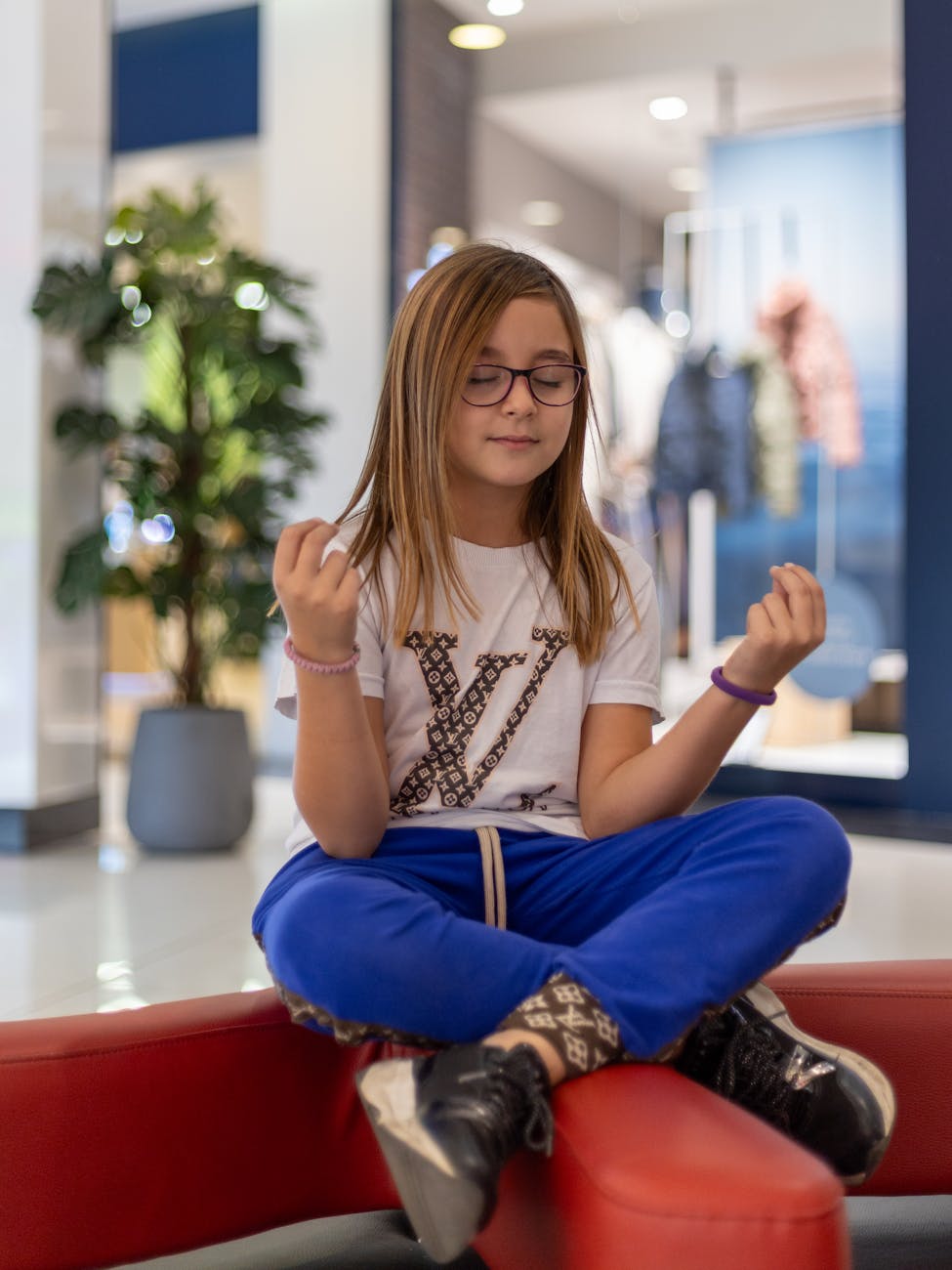
Here are a few suggestions to make visualisation work better for you:
- Turn your senses on – the more you can “use” your senses while visualising the better, e.g. imagine the touch of your hand on the floor while doing Aú (cartwheel) or on the drum when drumming.
- Focus on the process rather than on the end results – visualising the process of learning and getting it right is as much if not more beneficial than visualising the end result. Visualisation training can be a very effective part of overall training for a capoeirista and a drummer. For example visualising the progress of learning the rhythm on a drum can be in a form of imagining how you put your hands on the drum, or how hard or soft, fast or slow you play.
- Feel pleasant emotions – when visualising avoid emotions such as anger, fear, feeling of compulsion and helplessness. Your imagination should contain as many positive emotions as possible. Feel joy, satisfaction, pride or satisfaction in what you do.
- Dispel your doubts on an ongoing basis – if you have any doubts about the music technique or movement sequence you are imagining, dispel them as soon as you can by consulting them with your capoeira and/or drumming teacher. Visualization in sports and art is supposed to help you consolidate correctly performed technique and movements, not mistakes!
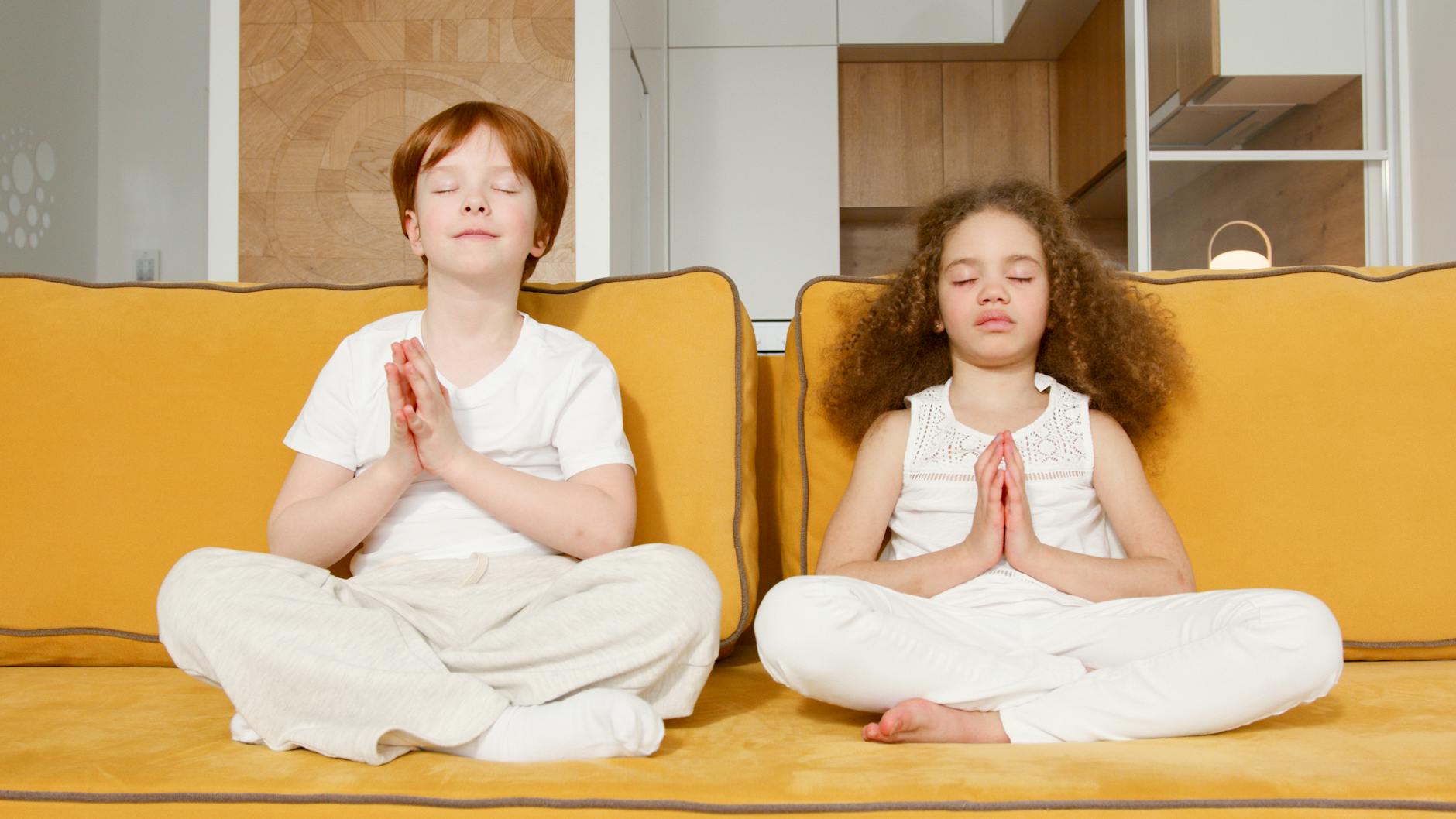
Summary
Visualisation is not difficult; the challenge is in the doing. The more regular you are the better your results will be.
The same apply in making music or training in reality, the regularity is the key to learn and develop what you’re learning!
Keep training!
Kasia





 axeboomboom.org