

We all know that well-balanced and healthy meals and snacks give us the nutrients we need do live, work and to do well in sports. That apply to our young athletes and apart from getting the right amount of calories, eating diversity of nutritious foods will help them play Capoeira at their best.
Today, we have 3 practical actions to improve your child nutrition intake before and after a Capoeira training.
When?
Let’s start with the before the training meal. Most of you come to Capoeira classes straight after school so the first advise may not be applicable for a regular class but will be in place for Capoeira events, so these special days of training Capoeira with visiting guests Masters.
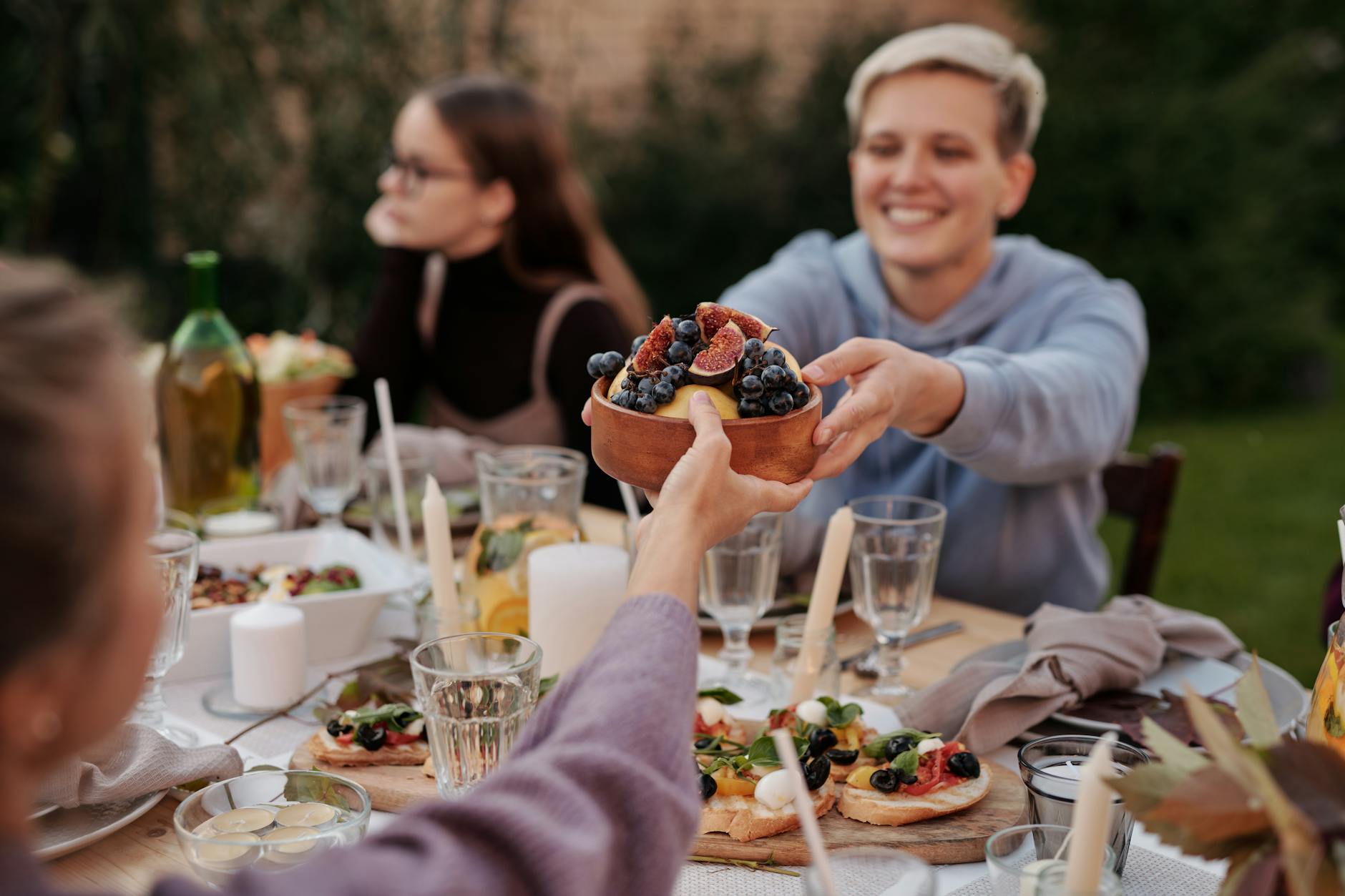
If your child has time to eat nutritional meal 3-4 hours before the training or event, then focus your meal on carbs (energy) and lean protein (growth and repair of your muscles) and not so much on fat (energy and absorption of some vitamin) as it takes longer to digest, which can upset child’s tummy. Nevertheless, remember that fats are part of a healthy diet, just make sure you choose the good unsaturated fats and use them in moderation. Also avoid sugary foods and drink.
Your child will most likely be at school at that time so having on the go option of food is your go to as the goal here is to give them a nutritional meal that can be digested before the training but won’t leave them hungry after the class.
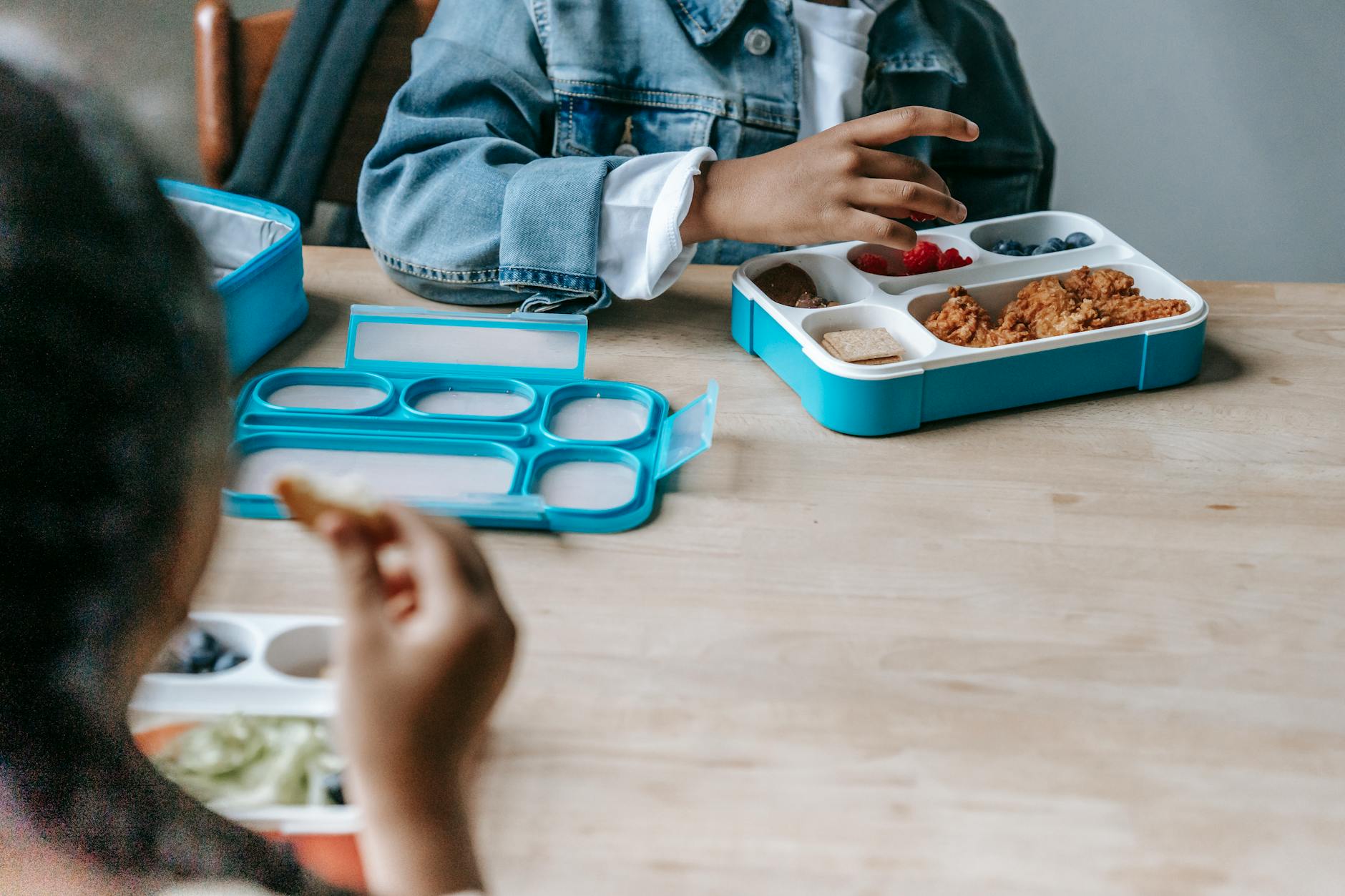
If you have less than 3 hours for your child to eat before a training or event, then have a lighter meal or snack. One that includes carbs that are easy to digest, such as fruit, crackers, or bread.
How about the after the training meal, when the body rebuilds muscles and restocking the energy? Healthy post-training nutritional meal helps young athletes feel better overall. It helps their body to recover and prepare for the next training. It’s recommended to eat within 30 minutes after intense training and then again 2 hours later. Let’s continue to hydrate and eat a balance meal that contains carbs and lean protein.
What?
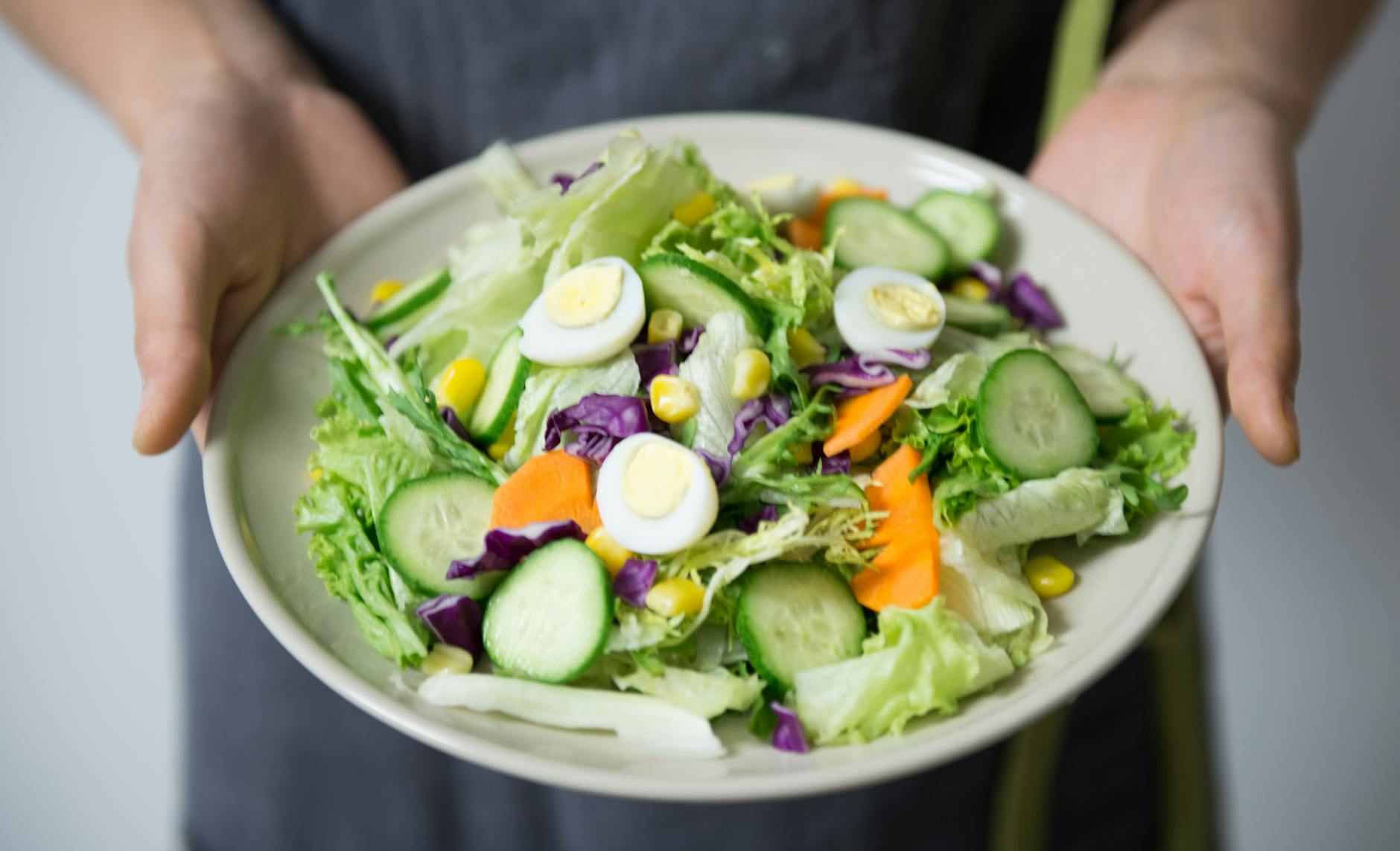
As mentioned above for both before and after the training the meal should focus on carbs and protein, but what are they? And what types are good for little athletes?
An example of a before a training meal (3-4 hours before the training):
Choice of carbs-rich brown whole rice, beans, whole-grain pasta or potatoes, with lean meat like chicken and turkey, or beans and tofu for a vegetarian option. Add vitamins and minerals from vegetables, but be mindful of fibre content, to help digestion. Choose low fibre, peeled and well-cooked vegetables like potatoes, carrots, green beans, yellow squash, spinach, pumpkin or beets. Avoid broccoli, brussels sprouts, or cauliflower as they are harder to digest and could make exercising uncomfortable.
An example of a before a training on the go meal (3-4 hours before the training):
A humble and simple ham or cheese sandwich on whole wheat bread is a good on the go option. Add an apple or banana and water and you’re good to go.
An example of a before a training lighter meal or snack (less than 3 hours before the training):
A banana, fruit salad and yogurt or a smoothie are our favourite option at home, but we also like slices of cheese, crackers and a glass of low-fat milk. It’s recommended to avoid foods high in fibre or fat, because they digest longer and may cause upset stomach during exercise.
An example of after the training snack (within 30 minutes post training):
Chose so of these easy on the go options for your child while you drive home or wait for another activity. Pre-cut orange slices, banana, grapes, watermelon triangles, whole grain crackers, cheese stick, mix of whole grain cereal and dried fruit.

An example of after the training meal (withing 2 hours after the training):
Choose your good carbs brown rice, couscous or quinoa, then lean protein, like chicken, fish or tofu, and top it all up with vegetables, like broccoli that is one of our favourite veggies.
How about fluids?

It’s very important to stay hydrated for the body and mind to function at their best, therefore, children should drink at least 6 to 8 cups or glasses of fluid a day as recommended by NHS. Water, lower-fat milk and sugar-free drinks all count, we recommend water as the best fluid to hydrate for most young athletes.
A little disclaimer at the end 🙂 These are only examples and not the only foods and drink you can have before and after training. It’s also important to remember that children may have special nutrition needs, like our Gabryś can’t have nuts. The bottom line is to prepare pre-training and post-training plate that is about 50-60% carbohydrate, 15-20% protein, and 25-30% fruits and vegetables. Choose the ones that are best options for your child and make sure you hydrate on a regular basis.
Keep Training
Kasia & Grześ




 axeboomboom.org